
Batteries, both large-scale and for the home, are essential for the energy transition. But… they are not perfect. The supply chain includes risks of environmental pollution, harmful emissions and even modern slavery. Nevertheless, batteries are essential to the urgent energy transition – this is why.
The Dutch renewable energy sector is breaking records. In the first half of 2024, renewables accounted for 53% of the electricity generated in the Netherlands, with both solar and wind soaring. These inspiring production levels need to be coupled with good energy storage, otherwise excess energy generated can be lost. For example, in July 2024, 11% of Dutch green power was lost due to a mis-match between demand and supply combined with a lack of storage capacity. Decentralized storage systems, such as home batteries and community energy hubs, offer a solution by distributing storage capacity across multiple locations. This allows excess solar and wind power to be stored closer to where it’s produced, reducing grid congestion and minimizing such energy losses. So, are home batteries (part of) the solution?
The rise of home batteries
A home battery is able to temporarily store electricity. This allows households to use generated energy (often by solar panels on the roof) at a later time. For example, in the evening, when solar panels are not generating energy. Or when the price of electricity is high. This reduces reliance on the grid, creating a decentralized energy system and improving grid stability. Major players such as Tesla, BYD, and Sonnen are leading the charge, and prices are slowly coming down as battery technology advances. In some countries, government subsidies make home batteries more attractive, while dynamic energy pricing further incentivizes storage. However, in the Netherlands there are no subsidies available and the initial investment for homeowners remains quite steep.
A decentralized energy grid reduces strain on central power plants, decreases energy transmission losses, and enhances local energy security. It is especially effective when combined with smart grid technology, which is a way of digitizing the electricity network by introducing an interactive component that automatically detects issues and responds to them, as well as balancing electricity supply and demand in real time. This prevents energy waste or system-overload, thereby reducing the likelihood of power failures. Decentralized grids contribute to a systemic shift in how energy is owned and operated, which we believe to be a key part of a just energy transition.
Recent research from the University of Twente has provided valuable insights into the optimal placement of home batteries within the energy system. This research answers a key question in the sector: should batteries be placed in households or in transformer stations? The findings indicate that, as long as they are managed correctly, distributing batteries among homes – especially those already equipped with solar panels – is the most effective approach. One of the reasons for this is that home batteries optimize efficiency: the solar panels producing the energy are on top of the same house where the energy is being stored, reducing transmission losses.
Energy storage is essential for the success of the energy transition. And home batteries are an efficient option. It makes sense that Triodos Bank supports this technology – right? Yes, but battery technology also has a number of important downsides that we should not ignore.
The environmental and social risks of growing battery consumption
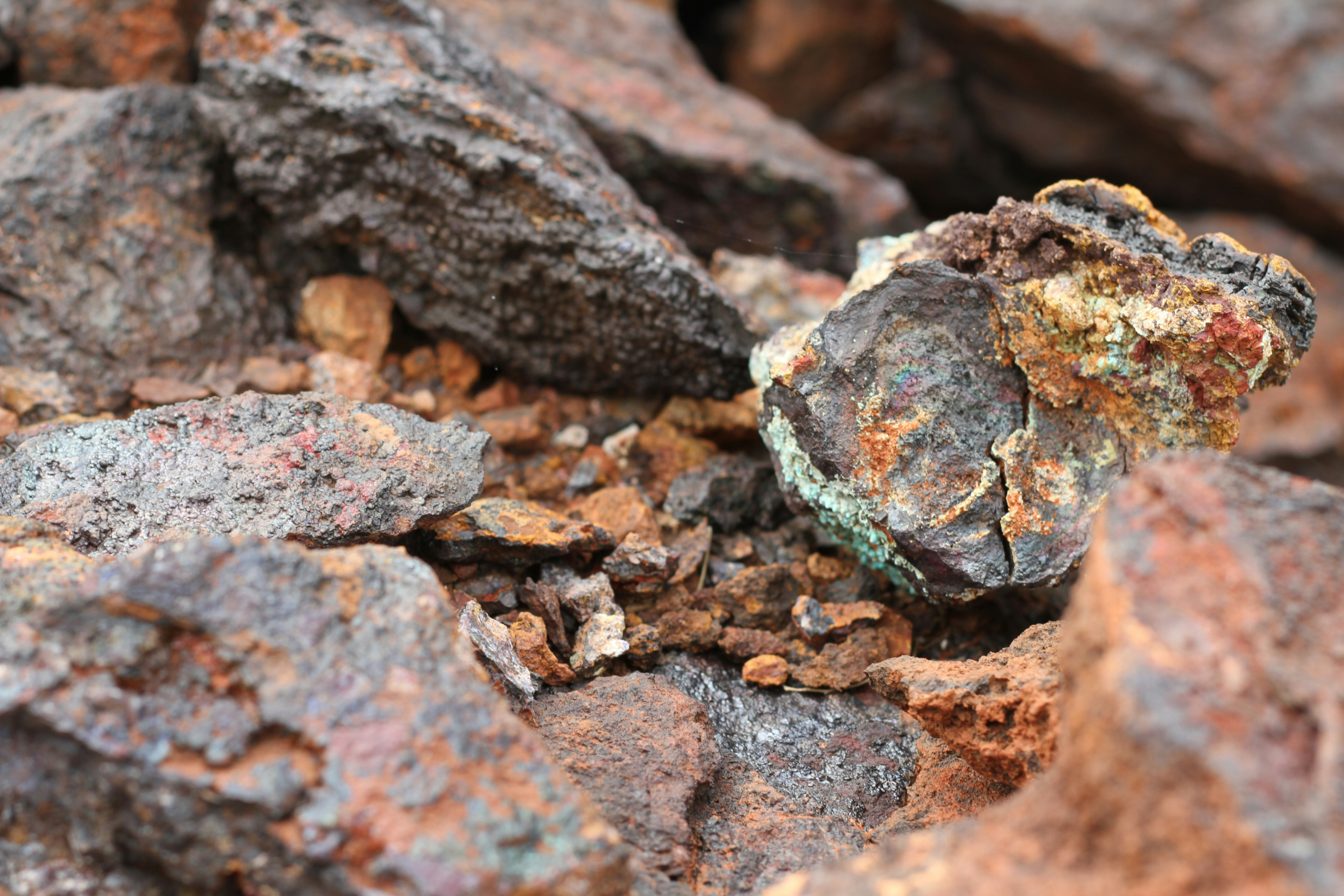
Home battery systems use mostly lithium-ion batteries due to their efficiency and longevity, as well as the fact that nickel-cadmium batteries are too hazardous to be used in consumer-applications, while lead-acid batteries would have to be replaced too frequently. Just the names of these battery types tell us that producing batteries requires mining and processing of raw materials like lithium, cobalt, nickel and other rare earth elements, the supply chains of which raise serious environmental and ethical concerns. Extracting just one of the necessary materials, lithium, through hard-rock mining releases 15 tonnes of CO2 for every tonne of lithium produced. These findings are especially worrying when we consider that demand for many of these resources will increase as the renewable energy and EV car industries continue to grow. This will lead to more mining – possibly at new, ecologically sensitive locations.
Additionally, the processing and manufacturing that follows after mining is also energy-intensive and often relies on fossil fuels, contributing further to carbon emissions. The extraction and manufacturing process are cleaner than burning fossil fuels, as even the dirtiest batteries emit less CO2 than fossil fuel alternatives, however the risks in terms of human rights violations cannot be ignored. There are concerns about forced labour, child labour and unsafe working conditions in various parts of the battery supply chain. Recent research has suggested that achieving the EU’s climate goals could expose up to 89,000 African miners to increased modern slavery vulnerabilities by 2040.
The situation is also complicated at the batteries’ end-of-life, where battery recycling rates need to be higher and instances of improper disposal need to be minimized to avoid risks of environmental contamination. The most difficult to recycle batteries are the small alkaline kind, that you likely have in the clock on your wall or in your TV remote. But many large-scale battery types are highly recyclable – lithium, cobalt and nickel can be recovered from lithium-ion batteries and nickel and cadmium can be recovered from nickel based batteries. There is also the success story of lead-acid batteries that are currently recycled at a rate of 99% in the U.S. and a minimum of 65% across all EU member states – demonstrating that strong regulations and economic incentives can improve how we re-use materials. The introduction of the EU digital product passport, which tracks materials and components of batteries throughout their lifecycle, is expected to further facilitate recycling efforts by improving supply chain transparency and ensuring better material recovery. Recycling rates for other battery types, like lithium-ion are widely contested, but a recent study suggests that currently 59% of the batteries that are available for recycling are recycled. Recycling rates are expected to increase as large batteries from EVs (and perhaps also from home battery systems), come out of service, possibly after multiple additional uses. If we continue to improve how much we re-use and recycle batteries, as well as continuing to improve social and environmental due diligence when financing products with complex supply chains we can ensure that the positive impacts of battery use begin to outweigh some of the negative risks.
An impact investing perspective
Taking the advantages and risks into account, how do sustainable investors decide whether to invest in batteries or not? Sustainable investors are committed to advancing the renewable energy transition, but they also need to ensure the positive impacts outweigh any negative consequences associated with the overall battery supply chain. There are a couple of steps they can take to strike the right balance.
Firstly, investors need to account for the fact that current resource and energy consumption is too high, and that no matter how much we re-use and recycle the current rate of material extraction is not sustainable within the planets ecological boundaries. Some sectors simply need to shrink, so that we can see a reduction in overall energy and resource use – while ensuring that the average person’s quality of life is maintained or improved. Studies on post-growth and sustainable well-being suggest that societies can reduce material and energy consumption without sacrificing well-being by prioritizing efficiency, circular economies, and equitable resource distribution.
Secondly, we think part of the solution to the negative social and environmental impacts of battery materials is in diversifying their supply chains. Currently, raw materials are concentrated in a small number of countries. This means there is a high geopolitical risk – if the relationship with source countries like Russia or China is weakened they can choose to stop exporting raw or processed materials, disrupting the battery supply chain and creating major price volatility. There is also ongoing debate about whether to expand mining in countries with stricter regulations, like Norway and Germany, to reduce reliance on regions that are more high-risk for negative social impacts. While this might mitigate some of the risks, it could also negatively impact economies that depend heavily on mining. Sustainable investors play a part by supporting alternative sourcing of materials (such as through the use of secondary, recycled materials), as well as by investing in battery projects that ensure a second life for battery cells or are working on developing closed material cycles. As well as through enhanced due diligence and involvement in industry-wide collaboration to enhance transparency in sourcing critical materials, such as nickel.
Next to this, investors need to avoid high-risk materials and practices in battery supply chains. They must exclude high-risk mining methods like deep-sea mining and mountain-top removal, which come with immense environmental impacts. There has recently been significant innovation around materials used for batteries, with lithium-ion leading the way as one of the more sustainable large-scale solutions. Investors ought to engage with current and prospective clients to encourage the development of new technologies that use less-toxic materials extracted with less energy-intensive methods. The most exciting prospect in that regard are sodium-ion batteries – imagine if we could store our energy using sodium, an element found in common table salt! Another important consideration is whether behind-the-meter or front-of-meter battery systems use these high-risk materials more efficiently. Each home battery needs its own outer shell, wiring, and control system, which means using more raw materials like lithium, cobalt, and nickel. Consolidated storage at a large scale can reduce redundancy and make material recovery and recycling more effective. For a sustainable energy transition, a mix of decentralized home batteries and centralized large-scale storage may be the best path forward.
Sustainable investors can also promote reuse, repair, recycling, and recovery of battery materials. A great example are industry-led take-back schemes, which ensure products like batteries and solar panels are remanufactured and re-used wherever possible, or that the materials within them are properly collected and used again. By enhancing these processes, sustainable investors can reduce waste and decrease the need for new raw materials, contributing to a more sustainable and circular battery economy.
This article was originally published on the Triodos Bank website, where it was translated into Dutch.